Young hitters don't need a rebuilt swing mid-season — they need small adjustments that survive game pressure. These are the five fixes I reach for first in private lessons, and every one of them can show up in the very next at-bat.
1. Widen the stance half a shoe
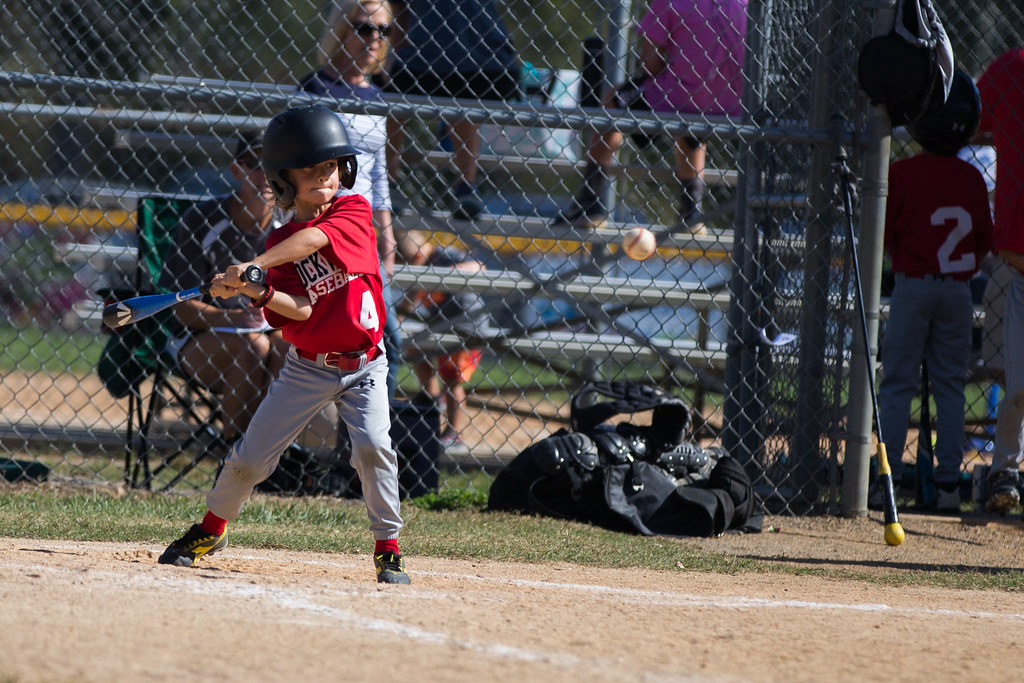
Most youth strikeouts start with feet too close together. A slightly wider base kills the big stride that throws timing off. If the front foot barely lifts, the head stays still — and a still head sees the ball longer.
2. Start the load when the pitcher does
Late swings are almost never slow hands; they're late starts. Teach hitters to begin their small step back the moment the pitcher's leg lifts. Early and slow beats quick and late at every level.
3. Adopt a two-strike approach on purpose
Choke up an inch, spread out, and aim for hard contact up the middle. Hitters who practice this in the cage stop fearing two strikes — and two-strike singles drive in just as many runs as first-pitch doubles.
4. Hunt one zone per at-bat
Give young hitters permission to ignore half the plate. "Middle-in, belt-high — let everything else go." A hitter with a plan takes better swings than a hitter reacting to everything.
5. Finish every swing, even in practice
Deceleration starts at the decision, not the contact point. Hitters who finish high and balanced in the cage carry that finish into games. The laziest-looking habit in practice becomes the prettiest habit under lights.
Try one adjustment per week — never all five at once. And if the swing still feels stuck, that's exactly what our filmed hitting assessments are for: ten swings, three fixes, one plan.