Every winter our staff visits two or three of the country's best baseball academies — not to copy their drills, but to steal their practice principles. Here's what the best programs all have in common, and how we apply each one on our own fields in Austin.
1. Short stations beat long lines
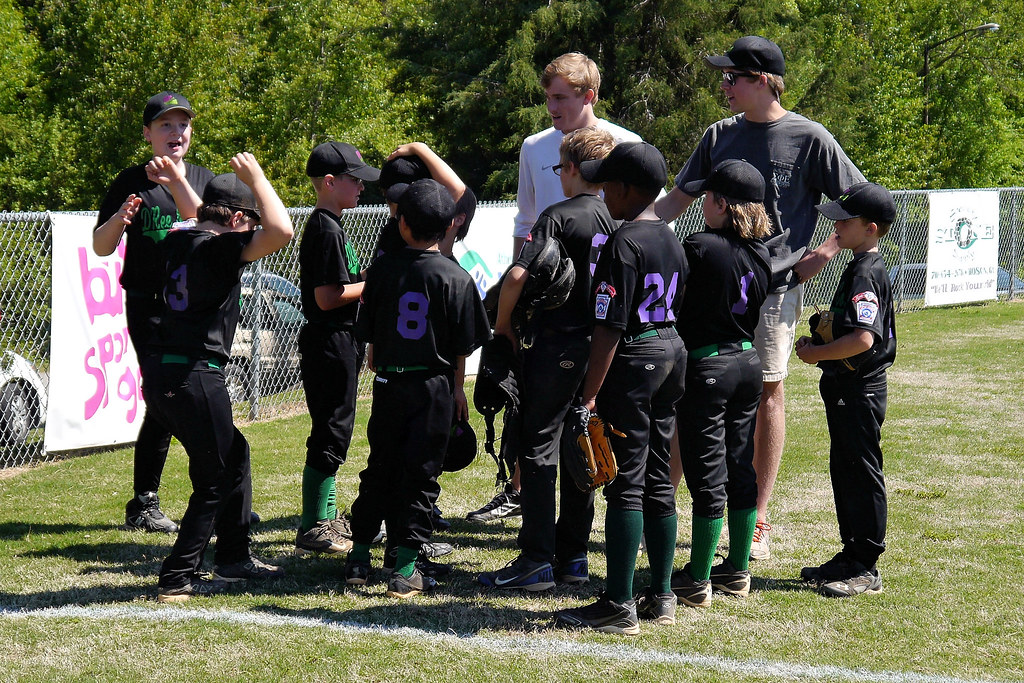
The best academies never let twelve kids watch one kid hit. They split the field into four or five stations and rotate every eight minutes. Nobody waits, nobody cools down, and every player gets triple the reps of a traditional practice. Our kids classes run on exactly this system.
2. Film everything, lecture rarely
Top programs show a ten-second clip instead of giving a ten-minute speech. A hitter who sees their own swing understands the fix instantly. That's why every private lesson at our academy ends in front of the video wall.
3. Compete every single day
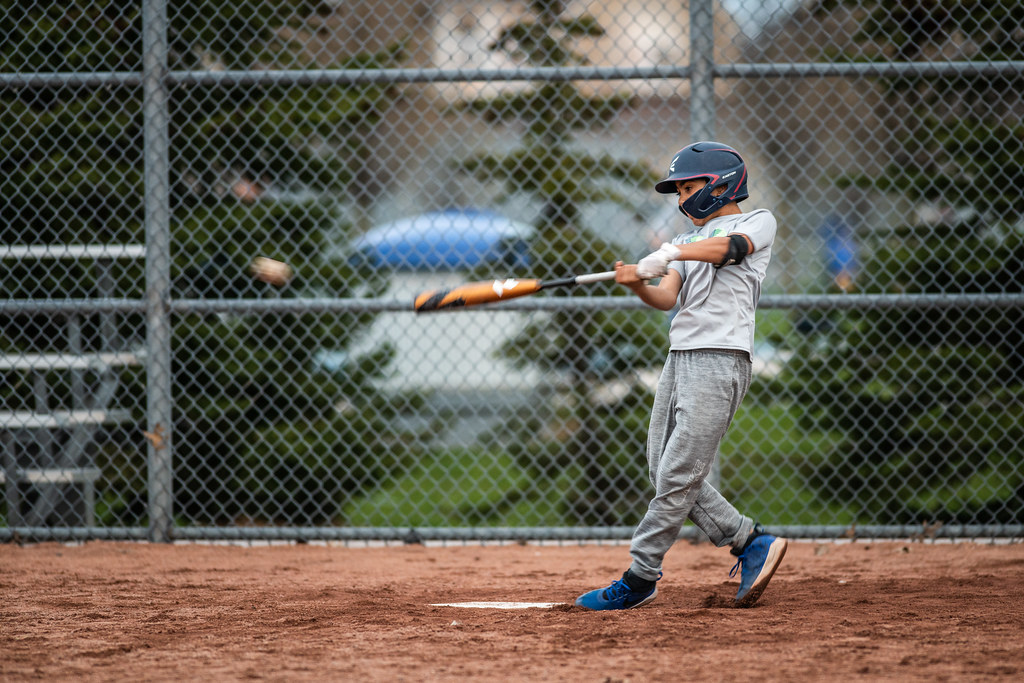
The academies that develop the toughest players end practice with something on the line — a base-running race, a two-strike hitting game, a fielding challenge with the losers shagging balls. Pressure is a skill, and it only grows under pressure.
4. Track small numbers, not just scores
Quality programs chart first-pitch strikes, hard-contact rate, and caught-stealing percentage — numbers a twelve-year-old can actually control. We post three controllable stats per team on our SportsPress board every week.
5. Rest is part of training
Every elite academy enforces pitch counts, rest days, and multi-sport encouragement. Young arms are a finite resource. Our league rules mandate rest by age, and our coaches bench pitch-count violators — even in playoffs.
None of this requires a million-dollar facility. It requires coaches who plan, players who compete, and parents who trust the process. That's the whole formula — and it works at every level, from tee-ball to the travel circuit.